





Vitamin E

What Does Vitamin E Do For Your Skin
Vitamin E, also known as tocopherol, is a powerful antioxidant widely recognized for its beneficial effects in skincare. This fat-soluble vitamin is naturally found in many foods and is also available as a dietary supplement and an ingredient in various skincare products. Here, we explore the multifaceted benefits of Vitamin E for the skin and its role in promoting a healthy, youthful appearance.
Vitamin E is a versatile and powerful ingredient in skincare, offering a range of benefits from moisturizing and anti-aging to healing and protection. By incorporating Vitamin E into your skincare routine, you can achieve a healthier, more radiant complexion. Always remember to patch test any new product containing Vitamin E to ensure compatibility with your skin and consult with a dermatologist for personalized skincare advice.
Antioxidant Properties - One of the primary benefits of Vitamin E is its potent antioxidant activity. Antioxidants are crucial in combating oxidative stress caused by free radicals, which are unstable molecules that can damage cells and accelerate the aging process. By neutralizing free radicals, Vitamin E helps protect the skin from environmental stressors such as UV radiation, pollution, and other harmful elements.
Moisturizing and Hydration - Vitamin E is an excellent moisturizer, making it a popular ingredient in many lotions, creams, and serums. It helps to strengthen the skin's barrier function, reducing water loss and maintaining hydration. This is particularly beneficial for dry and sensitive skin, providing a smooth, soft texture and preventing flakiness.
Anti-Aging Benefits - Regular use of Vitamin E in skincare can help reduce the appearance of fine lines and wrinkles. Its antioxidant properties slow down the aging process by protecting skin cells from damage. Additionally, Vitamin E promotes collagen production, which is vital for maintaining skin elasticity and firmness.
Healing and Repair - Vitamin E is known for its ability to accelerate the healing of damaged skin. It aids in the repair of tissues and can be particularly effective in treating minor burns, cuts, and wounds. Its anti-inflammatory properties also help soothe and calm irritated skin, reducing redness and swelling.
Scar Reduction - The application of Vitamin E can improve the appearance of scars, including acne scars and surgical scars. It helps in the regeneration of skin cells and can lighten the pigmentation associated with scars, making them less noticeable over time.
Protection Against UV Damage - While Vitamin E should not replace sunscreen, it can enhance your skin's defense against UV damage when used in conjunction with sun protection. It helps to reduce the effects of prolonged sun exposure, such as sunburn and long-term damage like photoaging and skin cancer.
How to Use Vitamin E in Skincare
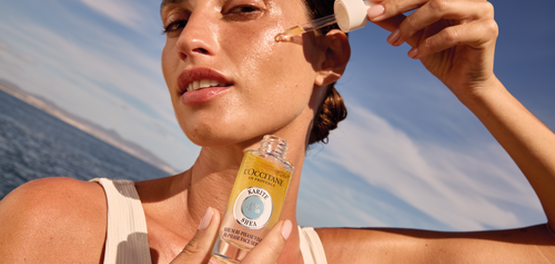
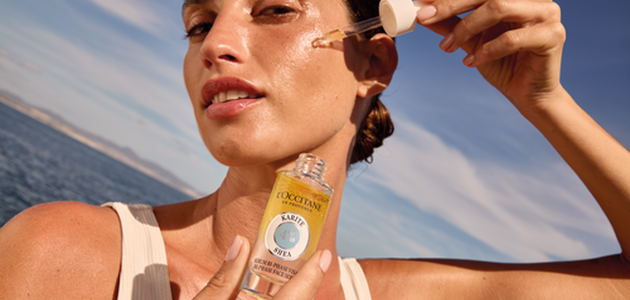
There are various ways to incorporate Vitamin E into your skincare routine:
1. Topical Products: Look for creams, lotions, and serums that contain Vitamin E as an active ingredient. These products can be directly applied to the skin and are formulated to maximize the benefits of Vitamin E.
2. Dietary Supplements: Taking Vitamin E supplements can also support skin health from within. However, it is essential to consult with a healthcare provider before starting any new supplement regimen.
3. Natural Sources: Incorporating foods rich in Vitamin E, such as nuts, seeds, spinach, and broccoli, into your diet can help improve your skin's overall health.
4. Pure Vitamin E Oil: Pure Vitamin E oil can be applied directly to the skin, but it is often recommended to mix it with a carrier oil to avoid potential irritation.
